
Mastering Digital Bookkeeping: Current Trends for Modern Businesses


The Evolution of Bookkeeping in the Digital Age
In today's fast-paced business environment, digital bookkeeping is more than just a convenience—it's a necessity. As companies continue to embrace digital transformation, staying ahead of bookkeeping trends ensures that businesses remain competitive and efficient.
With advancements in technology, traditional methods of maintaining financial records are being rapidly replaced by digital solutions. These innovations not only streamline processes but also provide greater accuracy and security.

Automation: The Game Changer
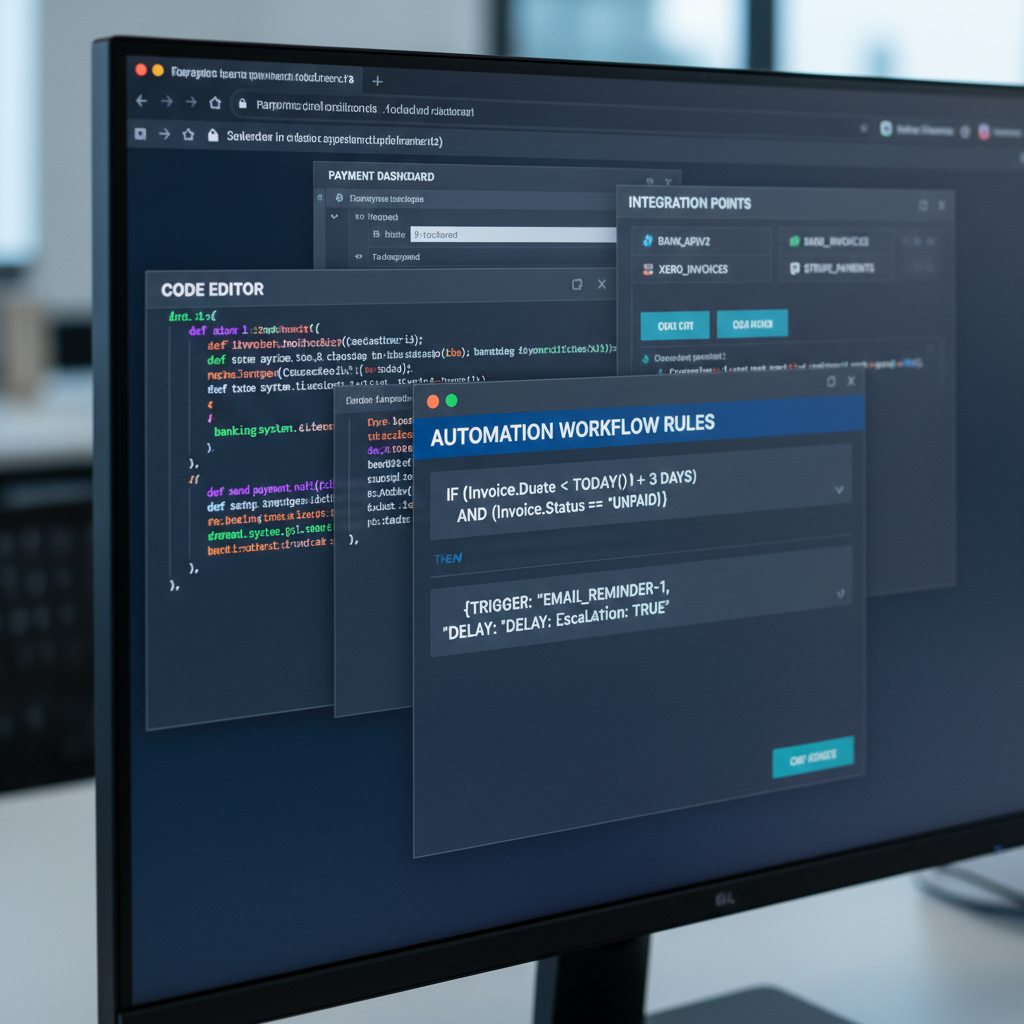
One of the most significant trends in digital bookkeeping is the rise of automation. Automated bookkeeping software reduces human error and saves time by handling repetitive tasks. This allows businesses to focus on strategic planning and decision-making instead of getting bogged down in manual entries.
Furthermore, automation tools can integrate with other systems, providing a seamless flow of information and enabling real-time financial analysis. As a result, businesses can quickly adapt to changes and make informed decisions.
Cloud-Based Solutions
Cloud technology has revolutionized the way businesses handle bookkeeping. By storing financial data in the cloud, companies enjoy benefits such as remote access, enhanced security, and scalability. This is particularly advantageous for small to medium-sized enterprises (SMEs) looking to minimize costs while maximizing efficiency.
Cloud-based bookkeeping solutions also facilitate collaboration, allowing multiple users to access and work on financial data simultaneously from different locations.
Data Security and Compliance
As digital bookkeeping becomes more prevalent, ensuring data security is paramount. Businesses must adopt robust security measures to protect sensitive financial information from cyber threats. Compliance with regulations such as GDPR and other data protection laws is also essential to avoid legal complications.

Modern bookkeeping software often comes equipped with advanced security features, including encryption and multi-factor authentication, to safeguard data integrity.
AI and Machine Learning
Artificial intelligence (AI) and machine learning are making significant inroads into the bookkeeping industry. These technologies can analyze large volumes of data quickly, identifying patterns and anomalies that might be missed by human eyes.
AI-driven insights can help businesses predict financial trends, optimize cash flow, and enhance decision-making processes. As these technologies continue to evolve, their impact on bookkeeping will only grow.

The Future of Digital Bookkeeping
Looking ahead, digital bookkeeping will continue to evolve with technological advancements. Businesses that embrace these changes will not only improve their financial management but also gain a competitive edge in their respective industries.
Staying informed about current trends and adopting the latest solutions will ensure that your business remains at the forefront of financial innovation.