
End-of-Year Accounting Checklist for Atlanta Businesses: Stay Compliant and Prepared


As the year draws to a close, it's crucial for Atlanta businesses to ensure their financials are in order. An end-of-year accounting checklist can help you stay compliant with regulations and prepare for the upcoming year. By following a structured approach, you can avoid last-minute stress and focus on strategic planning.

Review Financial Statements
Begin by reviewing your financial statements, including the balance sheet, income statement, and cash flow statement. This review will help you identify areas that need adjustment and give you a clear picture of your company's financial health. Make sure all transactions are recorded accurately to prevent discrepancies.
Conduct a Thorough Audit
Conducting an internal audit is essential to verify the accuracy of your financial records. This step ensures that all financial transactions are properly documented and categorized. If necessary, consider hiring an external auditor for an unbiased evaluation of your financials.

Reconcile Bank Accounts
Bank reconciliation is a critical task that helps identify any discrepancies between your bank statements and accounting records. Ensure all transactions are accounted for and investigate any unusual items. This process will prevent issues when filing taxes and preparing financial reports.
Verify Accounts Receivable and Payable
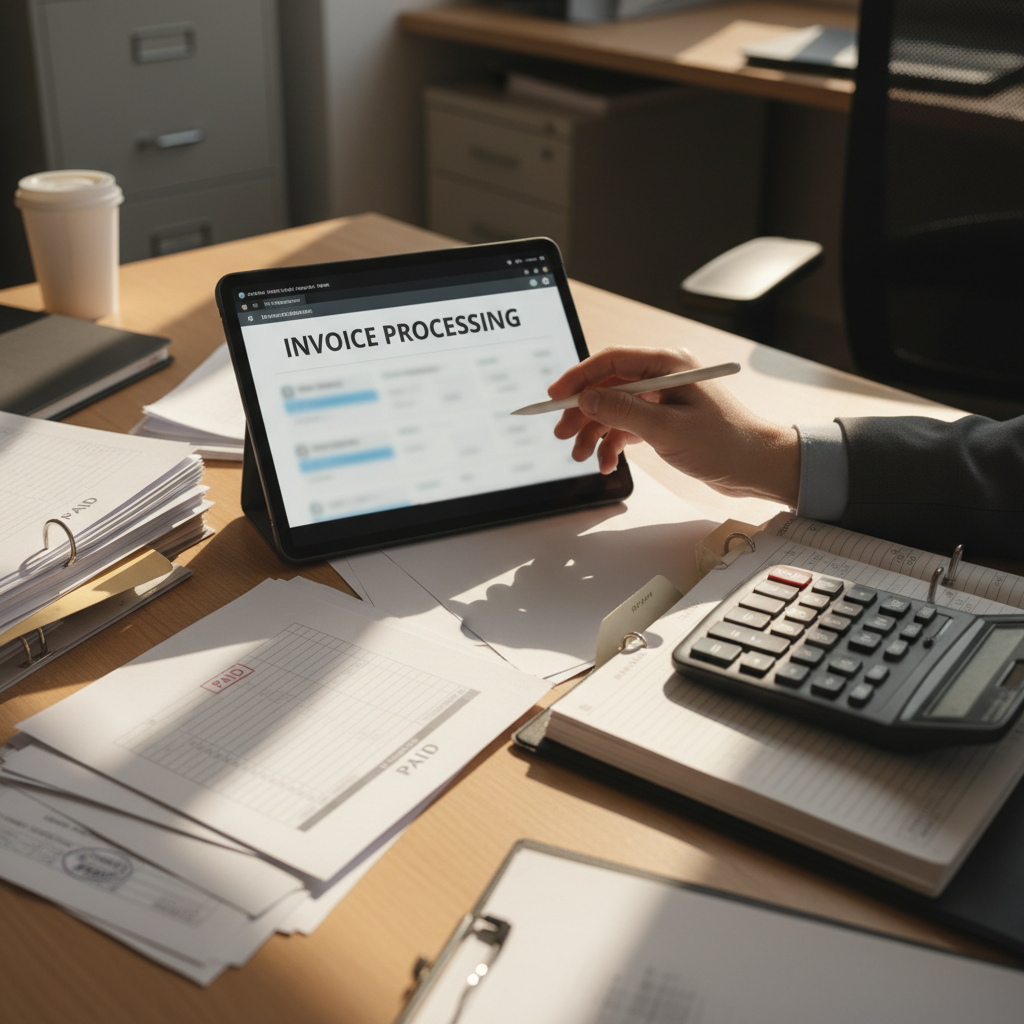
Review your accounts receivable and payable to ensure that all outstanding invoices are paid and collected. This review will help you maintain healthy cash flow and avoid any potential cash shortfalls. Send reminders for overdue invoices and settle any outstanding payments to vendors.
Prepare for Tax Season
Start gathering all necessary documents for tax filing, including W-2s, 1099s, and any other relevant forms. Working with a tax professional can provide valuable insights into potential deductions and credits that could benefit your business. Staying organized will make the tax preparation process smoother and more efficient.
Evaluate Inventory Levels
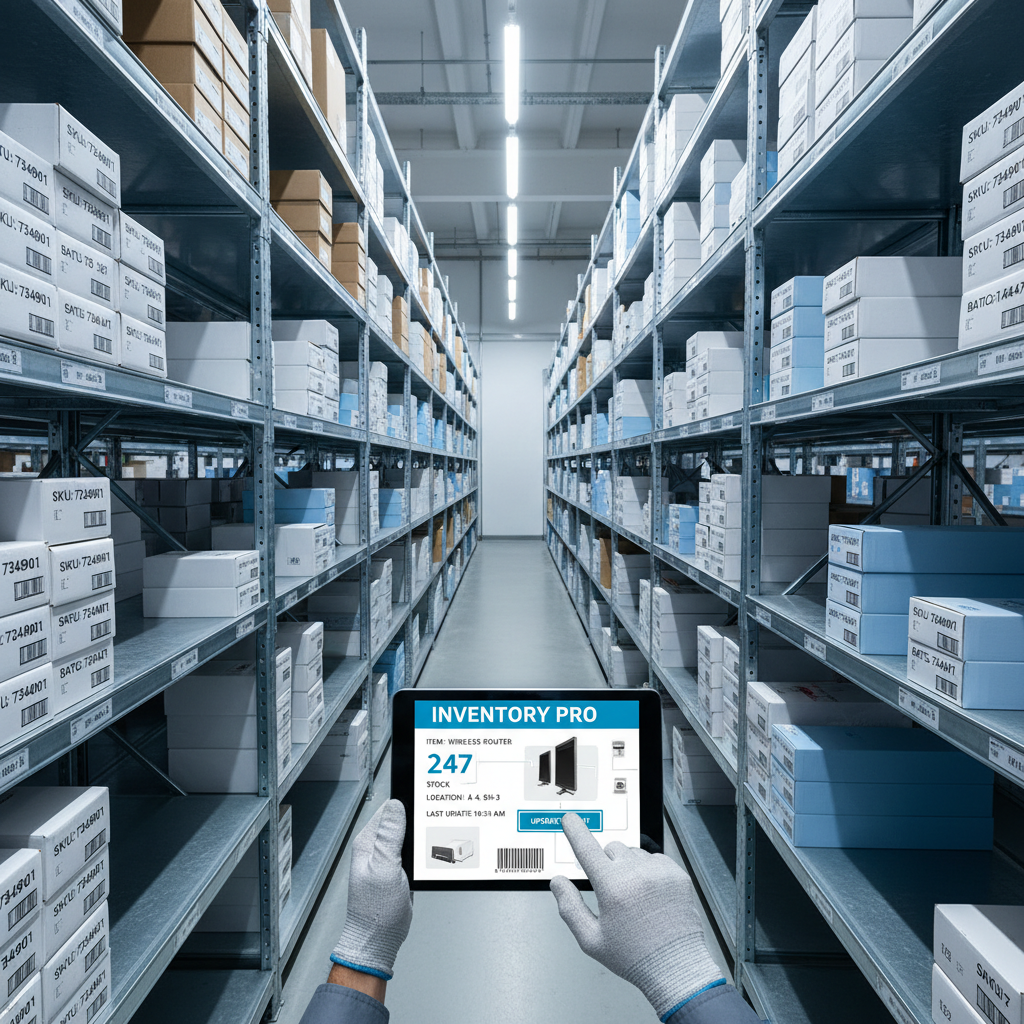
If your business involves inventory, conduct a physical count to ensure accuracy in your records. This step helps in adjusting your inventory levels and identifying slow-moving or obsolete stock. Proper inventory management is crucial for maintaining profitability and reducing waste.
Set Goals for the Next Year
Once your financials are in order, it's time to set goals for the upcoming year. Analyze current performance and identify areas for improvement. Setting realistic and measurable goals will guide your business strategy and help you achieve long-term success.
By following this end-of-year accounting checklist, Atlanta businesses can ensure compliance and prepare effectively for the new year. Staying organized and proactive will give you a head start on achieving your business objectives in 2024.