
New Trends in Digital Bookkeeping: What Atlanta Businesses Need to Know


Embracing Automation in Bookkeeping
In today's fast-paced business environment, automation has become a crucial component of digital bookkeeping. Atlanta businesses are increasingly adopting software that automates repetitive tasks such as data entry and reconciliation. This shift not only reduces human error but also frees up time for more strategic financial planning.

Cloud-Based Solutions
Cloud-based bookkeeping solutions are gaining traction due to their accessibility and scalability. These platforms allow businesses to access financial data from anywhere, at any time. This is particularly beneficial for companies with remote teams or multiple locations, as it ensures that everyone has the latest financial information at their fingertips.
Moreover, cloud solutions often come with enhanced security measures, protecting sensitive financial data with encryption and regular backups. This level of security is essential for businesses aiming to safeguard their information against potential cyber threats.

Integration with Other Business Tools
Another trend is the integration of bookkeeping software with other business tools. By connecting bookkeeping software with platforms like CRM systems or project management tools, businesses can create a seamless flow of information across different departments. This integration helps streamline operations and provides a more comprehensive view of the company's financial health.
Real-Time Financial Analysis
Atlanta businesses are increasingly leveraging real-time financial analysis to make informed decisions. Modern bookkeeping solutions offer dashboards and analytics tools that provide up-to-the-minute insights into financial performance. This capability allows companies to quickly identify trends, manage cash flow, and adjust strategies as needed.
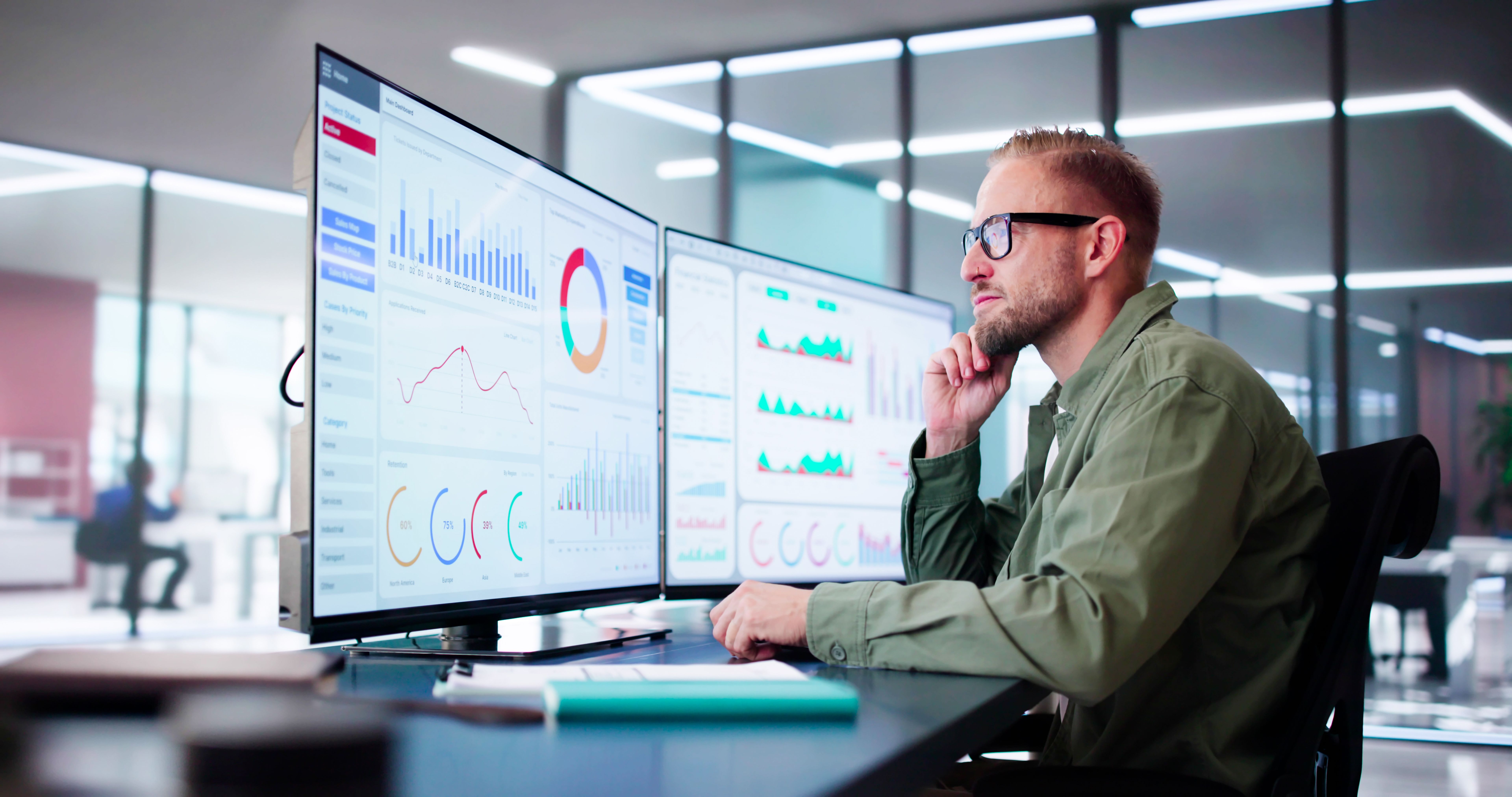
Real-time analysis is particularly useful for small and medium-sized enterprises (SMEs) looking to remain agile and responsive to market changes. By having instant access to financial data, these businesses can make proactive decisions that drive growth and profitability.
AI and Machine Learning
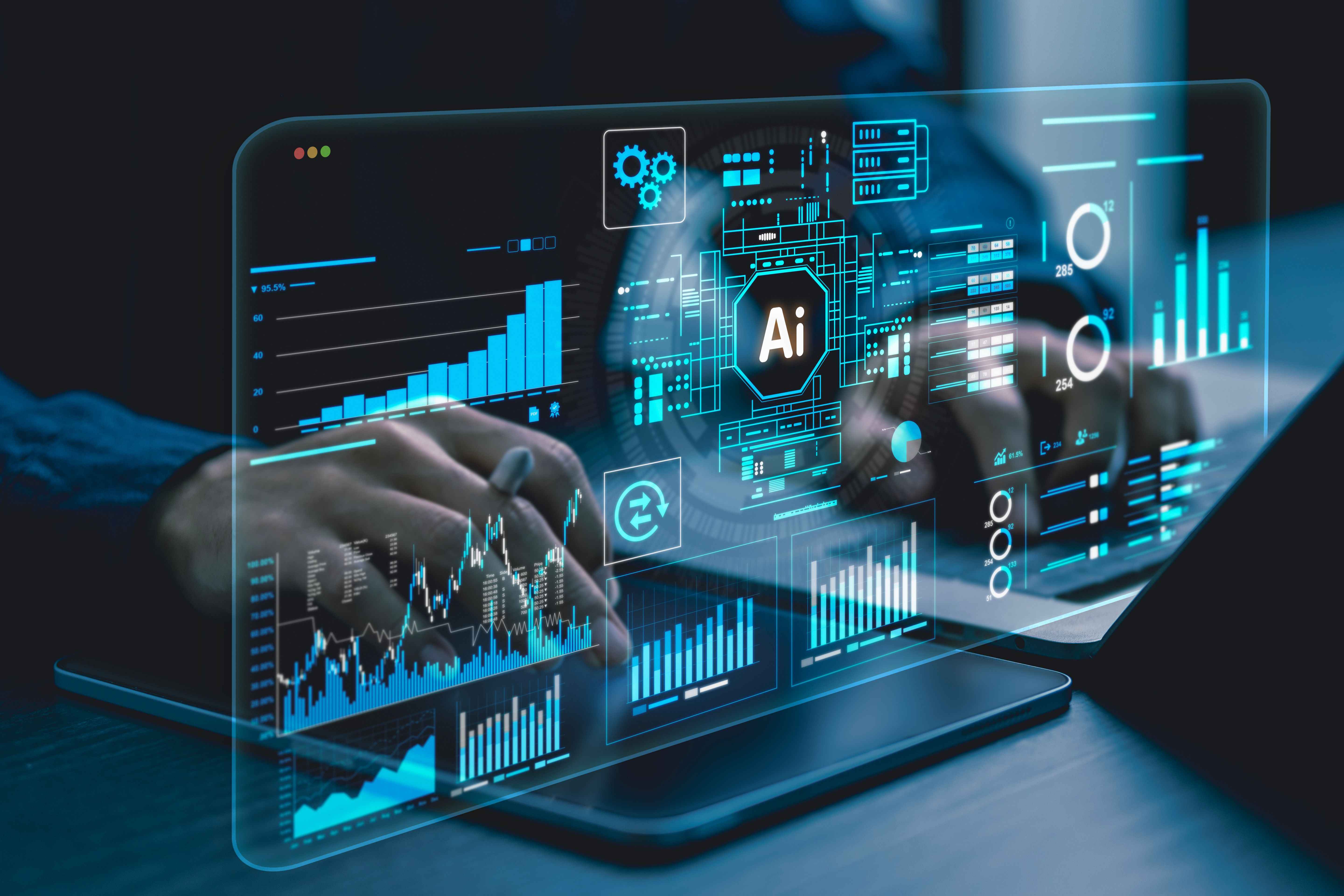
Artificial intelligence (AI) and machine learning are revolutionizing digital bookkeeping. These technologies can predict financial trends, automate complex calculations, and even flag potential anomalies in financial records. For Atlanta businesses, adopting AI-driven bookkeeping solutions means staying ahead of the curve and enhancing financial accuracy.
Machine learning algorithms can continuously improve over time, providing more accurate insights and recommendations. This advancement in technology is paving the way for smarter financial management and decision-making.
Adapting to Regulatory Changes
The landscape of financial regulations is constantly evolving. Digital bookkeeping solutions are now equipped to help businesses stay compliant with the latest rules and standards. Automated updates ensure that financial practices align with current legislation, reducing the risk of non-compliance and potential penalties.
Staying informed and adaptable to regulatory changes is crucial for businesses aiming for long-term success. By leveraging modern bookkeeping tools, Atlanta companies can focus on growth while maintaining legal and financial integrity.